Moving to Mexico? How to Keep Your U.S. Bank and Apps Working
Mexico is the top destination for Americans abroad, and the move itself is easy. Keeping your U.S. phone number, bank logins and everyday apps alive afterward takes a plan, plus one new Mexican rule most guides miss.
By NetWorthy Editors · · 10 min read · 22 sources

Key takeaways
- Most U.S. bank and app problems in Mexico come from three things: SMS codes sent to a U.S. number you can't receive, logins from Mexican IP addresses, and a foreign address on file.
- U.S. carrier plans that include Mexico are meant for visits: Verizon may remove or limit Mexico service if more than 50% of your usage in a 60-day period is in Canada or Mexico.
- Google Voice charges $20 to port a U.S. mobile number, but you must request the port from the U.S. and some banks reject VoIP numbers for codes.
- Mexico now requires every mobile line, including those held by foreigners, to be linked to an ID; foreigners can use a passport or temporary CURP, and unregistered lines are suspended.
- Mexico has no VPN ban, and Freedom House's 2025 report lists no blocked websites, so a VPN to a U.S. server is a legal way to keep bank logins consistent.
- Switching accounts from SMS to an authenticator app or passkey before you move is the single most effective way to avoid lockouts.
Will your U.S. bank and apps keep working after you move to Mexico?
Yes, if you set them up before you leave. U.S. banks generally let you keep checking and savings accounts while living abroad, and most apps run normally on Mexican mobile data or Wi-Fi. What breaks is the plumbing around them: the U.S. phone number that receives your codes, the IP address you log in from, and the address on file.
Mexico is the most common destination for Americans abroad. A 2022 U.S. government report cited by Remitly estimated about 1.6 million American citizens live there, while Mexico's 2020 census counted about 797,000. Either way, a lot of people have already worked through the same problems, and their fixes are consistent.
- Codes: your bank texts a one-time code to a U.S. number that stopped working or got throttled.
- Location: a run of logins from Mexican IP addresses looks like fraud to some banks.
- Address: a Mexican address on file can trigger compliance reviews, especially at brokerages.
- Local life: Mexican banks, delivery apps and landlords want a Mexican number, which now has to be registered to your ID.
How do you keep your U.S. phone number working in Mexico?
Keep your U.S. number on a service built for long stays abroad, and treat it as a code receiver rather than your daily phone. Many U.S. plans include Mexico, but that perk is designed for trips, not residence.
| Option | What the provider says | Best for |
|---|---|---|
| Verizon plan with Mexico included | If more than 50% of talk, text or data in a 60-day period is in Canada or Mexico, service there "may be removed or limited" (Verizon) | Snowbirds and people who split time with the U.S. |
| Google Fi | International data is suspended if most usage is outside the U.S. over a consecutive 90-day period (Google Fi) | Short first months, not full-time residence |
| Port to Google Voice | $20 one-time fee; the port must be requested from the U.S. with an active U.S. mobile number, and your carrier service is cancelled (Google) | Keeping your number cheaply, if your banks accept it |
| Separate U.S. number via an eSIM app | Saily lists an optional U.S. (+1) number from US$0.99/month (App Store); Engadget reports the base tier receives texts only | A secondary line for codes; test with each bank first |
Timing matters more than which option you choose. Google Voice won't accept a port request from outside the U.S., and NIST's authentication guidelines tell services to watch for SIM changes and number porting before sending codes by phone, so a number you ported last week may trip a bank's risk check. Port early, then log into each bank from the U.S. to confirm codes still arrive.
One practical setup that works for many people: put the U.S. SIM in a spare phone that stays home on Wi-Fi.
“The SIM is in an old spare phone that stays in my apartment on WiFi and only gets powered on when I need a code.”
Do you need a Mexican phone number, and do you have to register it?
You will almost certainly need a Mexican number, and since January 9, 2026 every Mexican mobile line must be linked to the owner's identity. According to law firm Hogan Lovells, the Guidelines on Identification of Mobile Telephone Lines issued by Mexico's Telecommunications Regulatory Commission (CRT) apply to all users, including foreigners, who can register with a passport or a temporary CURP for foreigners. Registration is free, and unregistered lines face suspension, limited to emergency calls.
The original June 30, 2026 deadline for existing lines was extended. Xataka México reports the CRT replaced it with a staggered calendar by the last digit of the phone number, running from August 15 to December 31, 2026, with suspension 72 hours after each deadline. The revised rules also let foreigners register remotely with a CURP or current immigration document, and in-person registrations may include a "proof of life" check. If you buy a new SIM now, it is linked at activation.
Why bother with a local number at all? Mexican banks, utilities, delivery apps and WhatsApp-first landlords expect one, and people who tried to skip it say so.
“You can't dodge a mexican cell phone # forever, especially if you live there part time.”
“My buddy got one just to open an account with BanaMex, but he didn't renew the subscription and his account got locked”
The lesson cuts both ways: a lapsed Mexican number can lock you out of a Mexican bank, just as a lapsed U.S. number locks you out of a U.S. one. Keep both lines alive, with small top-ups or an annual plan, and keep the Mexican line registered.
How do you stop 2FA codes from locking you out in Mexico?
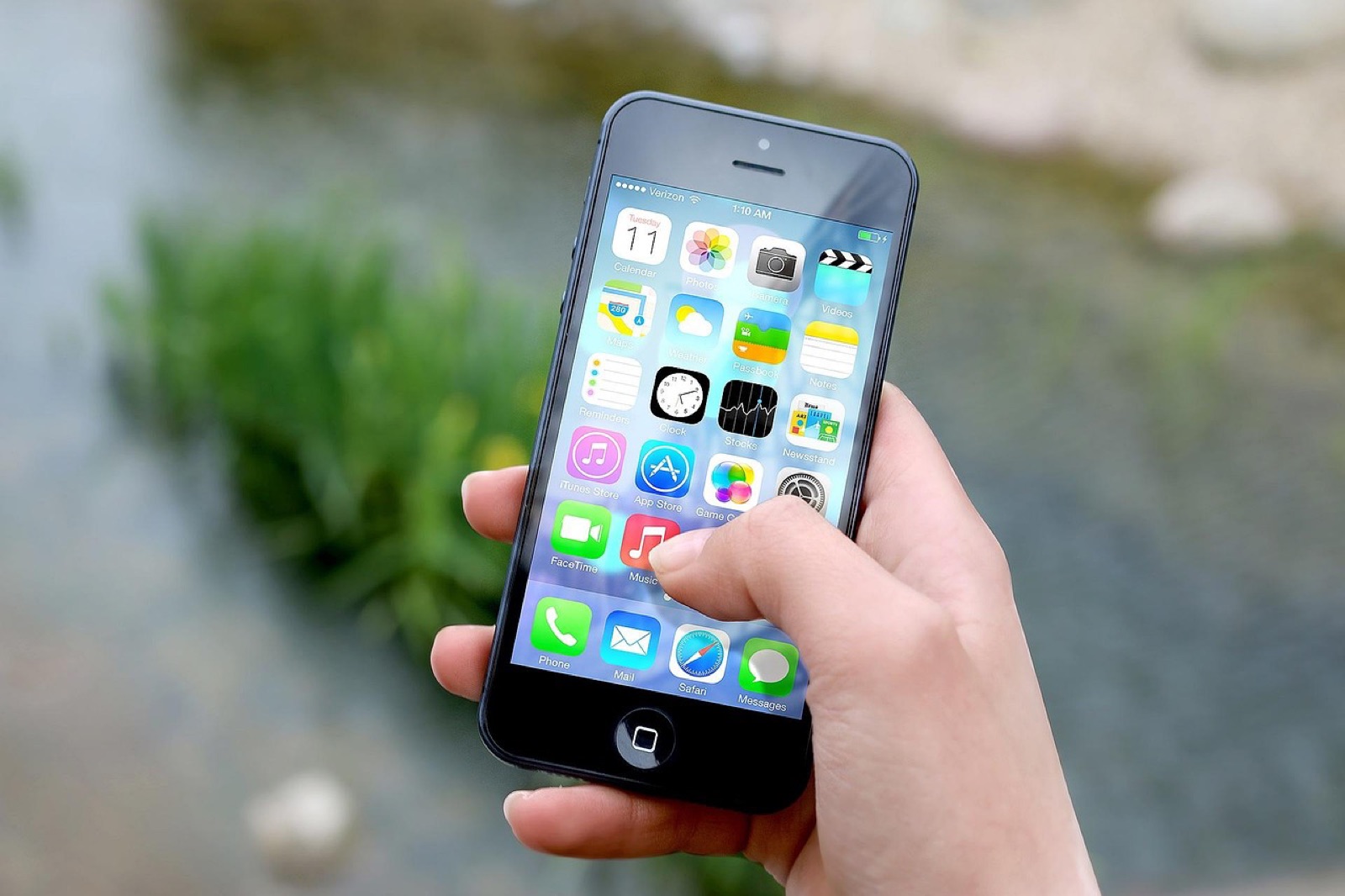
Switch every account you can from SMS codes to an authenticator app, passkey or security key before you move, and store backup codes somewhere safe. Then a dead SIM or a slow text from a U.S. short code stops mattering.
Security agencies agree this is the better setup anyway. The FTC's SIM swap advice recommends a PIN on your mobile account and authentication apps or security keys over text messages for sensitive accounts, and CISA's MFA fact sheet flags SMS and voice codes as vulnerable to SIM swap and SS7 attacks.
- Primary email first, because it can reset everything else.
- U.S. banks, credit cards, brokerages, PayPal and Venmo next.
- IRS, Social Security and other government logins.
- Work tools and cloud storage last.
- Print or securely store backup codes, and note which accounts still require SMS.
Using a password manager matters more in Mexico than at home because phones get replaced, upgraded or dropped. Codes and passkeys that live only on one handset are the ones you lose.
What should you tell your U.S. bank before moving to Mexico?
Tell each bank and brokerage the truth about where you will live, ask how they handle foreign residents, and keep a legitimate U.S. address on file if you have one. Greenback Tax Services reports that most U.S. banks allow accounts to stay open abroad, but brokerages may restrict trading, block mutual fund purchases or disable margin once a foreign address appears, so ask before you change anything.
- Travel notices: don't rely on them for a permanent move. Your Mileage May Vary reports Chase no longer accepts them, while Bank of America and U.S. Bank let you enter trips online or in-app.
- ATM cash: a card with no foreign transaction fee helps. Schwab Bank Investor Checking advertises no foreign transaction fees and unlimited ATM fee rebates worldwide, but its terms exclude dynamic currency conversion fees, so choose to be charged in pesos when a Mexican ATM offers a dollar conversion.
- Spare cards: carry a backup debit card and credit card from different banks.
- Mexican accounts: if you open one and your foreign accounts total more than $10,000 at any point in a year, you must file an FBAR.
“using mine almost exclusively in Mexico with the exception of travel to the Us and other countries. So far no issues in five years.”
If a bank does freeze you, our guide to getting back into a locked U.S. bank account as an expat covers the recovery steps, and why banking apps stop working abroad covers the quick fixes.
Should you use a VPN to a U.S. server in Mexico?
Yes, for banks that dislike foreign logins, and it is legal: Mexico does not ban VPNs. Freedom House's Freedom on the Net 2025 report rates Mexico "Partly Free" (61/100) and lists no blocked websites. The concerns it raises are about journalists and legislation, not consumer VPN use.
Proton VPN's banking guide explains the trade-off well: connect to a server in your home country and your banking app sees you there, but some banks also check other signals and may still deny access, and many sites block known VPN IP ranges. Test each account before you depend on it.
- Install the VPN on your phone and laptop in the U.S. If you're new to them, start with what a VPN is.
- Pick a U.S. server near the state where your accounts are registered, and stick with it.
- Log into each bank, card and brokerage through it while still in the U.S., and note any that block it.
- In Mexico, use the VPN for banks that flag foreign IPs and log in directly for any that block VPNs.
- Keep it on when you use coworking or cafe Wi-Fi; see our coworking Wi-Fi checklist.
A VPN won't reliably unlock U.S. streaming catalogs from Mexico, and you shouldn't buy one for that. Streaming services change what they allow and their terms often prohibit it. Buy one for privacy and for consistent U.S. logins. Compare options in our best VPN roundup, check setup on each device in VPN for every device, and use a refund window from VPN free trials to test your banks first.
What is the step-by-step setup before you move to Mexico?
Do the U.S.-side work in the U.S. and the Mexico-side work in your first week. This order avoids nearly every lockout described above.
Before you leave the U.S.
- Choose how you'll keep your U.S. number, and port or add the line while still in the U.S.
- Set a carrier account PIN or port-out lock.
- Move logins to a password manager and switch 2FA to an authenticator app or passkeys.
- Install and test a VPN with every bank and brokerage through a U.S. server.
- Ask each institution about its foreign-resident rules; keep a legitimate U.S. address on file.
- Get a no-foreign-transaction-fee card plus spares, and confirm your phone is unlocked with eSIM support.
In your first week in Mexico
- Buy a Mexican SIM or eSIM and complete line registration with your passport or temporary CURP.
- Put the U.S. line on eSIM or a second SIM slot, or in a spare phone on Wi-Fi.
- Log into each U.S. bank once from Mexico, through the VPN if needed, and confirm codes arrive.
- Keep both lines topped up, and calendar the FBAR threshold and U.S. tax dates.
For the bigger picture on why so many Americans are making this move, and the setup that applies anywhere, read the tech setup every new expat needs.
Frequently asked questions
Can I keep my U.S. bank account if I move to Mexico?
Generally yes. Most U.S. banks let you keep accounts open while living abroad, but brokerages may restrict trading or mutual fund purchases after a foreign address change. Ask each institution about its foreign-resident policy before you move.
Does my U.S. phone plan work in Mexico long term?
Usually not as a permanent solution. Verizon may remove or limit Mexico service if more than 50% of your usage in a 60-day period is there, and Google Fi suspends international data if most of your usage is abroad over 90 consecutive days. Long-term residents typically move the U.S. number to a cheaper code-receiving line and get a Mexican SIM.
Do foreigners have to register a Mexican SIM card?
Yes. Mexico's mobile line identification rules apply to everyone, including foreigners, who can register with a passport or temporary CURP. Existing lines got a staggered deadline running from August 15 to December 31, 2026, and unregistered lines are suspended except for emergency calls.
Is it legal to use a VPN in Mexico?
Yes. Mexico does not ban VPNs, and Freedom House's 2025 report lists no blocked websites in the country. Using a VPN to reach your own U.S. bank is lawful, though the bank may still block VPN IP addresses. See our VPN guide for expats.
Will Google Voice work for bank codes in Mexico?
It depends on the bank. Google Voice can receive texts over Wi-Fi or data, but some banks refuse VoIP numbers for verification. Porting costs $20 and must be requested from the U.S., so test it with each bank before you leave.
Sources
- Mobile line registration in Mexico: Who is affected by the new regulatory obligations? — Hogan Lovells, 2026-01-14
- La prórroga del registro de celulares llegó con más cambios: prueba de vida, nuevos SMS y otro calendario — Xataka México
- Mexico: Freedom on the Net 2025 Country Report — Freedom House, 2025
- Verizon TravelPass FAQs — Verizon
- International Coverage & Rates — Google Fi
- Port your mobile number to Google Voice — Google Voice Help
- NIST Special Publication 800-63B — National Institute of Standards and Technology
- SIM Swap Scams: How to Protect Yourself — Federal Trade Commission, 2019-10-23
- Implementing Phishing-Resistant MFA (fact sheet) — CISA, 2022-10
- Can I Keep My U.S. Bank and Brokerage Accounts After Moving Abroad? — Greenback Tax Services, 2026-04-29
- Schwab Bank Investor Checking — Charles Schwab
- Some Credit Card Companies Still Want You to Tell Them When You're Traveling — Your Mileage May Vary
- Report of Foreign Bank and Financial Accounts (FBAR) — IRS
- How to Secure Online Banking with a VPN — Proton VPN, 2022-04-28
- How Many Americans Live in Mexico? — Remitly, 2025-06-25
- Saily: eSIM Data for Travel — Apple App Store (Nordvpn S.A.)
- NordVPN's Saily eSIM offers a US phone number for $1 a month — Engadget, 2026-06-10
- Keeper Password Manager — Apple App Store (Keeper Security)
- Update: I stopped getting locked out by US SMS 2FA without paying for a US plan — Reddit r/digitalnomad, 2026-06-23
- BBVA or HSBC Mexico with a U.S. +1 phone number (comment by u/toast24) — Reddit r/mexicoexpats, 2026-09-03
- BBVA or HSBC Mexico with a U.S. +1 phone number (comment by u/arbarnes) — Reddit r/mexicoexpats, 2026-09-03
- Openning US bank account FROM mexico (comment by u/katmndoo) — Reddit r/mexicoexpats, 2026-09-24
Quotes from social posts are reproduced verbatim from public posts and linked to the original. Read our editorial standards.
From Rotation
Every story, one email, 8am daily.
Subscribe at the bottom of this page.
More travel guides
- 180,000 Americans Left the U.S. Last Year. Here's the Tech Setup Every New Expat Needs
- Why Your Banking App Stops Working Abroad (and the 2-Minute Fix)
- Airport Wi-Fi, Hotel Wi-Fi, Fake QR Codes: The 2026 Business Traveler's Security Guide
- Working From Bali, Lisbon or Medellín? The 5-Minute Security Checklist for Coworking Wi-Fi