The Expat Mistake Nobody Warns You About: Getting Locked Out of Your U.S. Bank
Your U.S. bank account doesn't stop working the day you move abroad. It stops working months later, when an address review, a foreign login or a text code sent to a dead number catches up with you. Here's how to see it coming.
By NetWorthy Editors · · 10 min read · 19 sources

Key takeaways
- U.S. banks may legally close accounts without prior notice, and some do so after an internal review shows a foreign address on file.
- Federal identity rules require banks to collect a residential or business street address, and each bank decides for itself whether it will serve customers who live abroad.
- Bank fraud systems are built to flag logins that deviate from your usual geographic location, and some block IP addresses linked to VPNs.
- The most common lockout is a one-time code sent by text to a U.S. number you no longer pay for; switch to app-based verification before you leave.
- U.S. brokerages often restrict mutual fund purchases for clients living abroad because of foreign securities laws, even when the account stays open.
- FATCA mainly pushes foreign banks away from Americans, which makes keeping at least one working U.S. account more important, not less.
Why do U.S. banks lock out Americans who move abroad?
U.S. banks lock out expats for four ordinary reasons: a compliance review finds a foreign address, a login from overseas looks like fraud, a security code goes to a phone number you no longer control, or the product you hold isn't allowed for people living where you now live. None of these needs you to do anything wrong. They're routine controls running exactly as designed, and they tend to hit months after you move, when you have the fewest options.
The problem is old and well documented. In a 2014 Wall Street Journal report, the director of American Citizens Abroad said overseas Americans "are facing restrictions and lockouts from both U.S. and foreign financial firms" (WSJ, via FAWCO). The same report described a Berlin-based American whose Wells Fargo brokerage account was closed when the bank learned he lived in Germany, and retirees near Lake Chapala, Mexico, whose Banamex USA accounts were shut with about a month's notice.
| Trigger | What the bank sees | Typical result |
|---|---|---|
| Address / KYC review | A non-U.S. residential address on file | Account closed or restricted, sometimes after a routine review |
| Login risk scoring | Sign-ins from a new country, new device or VPN IP | Extra verification, blocked login, temporary freeze |
| Dead 2FA number | Codes sent by text to a U.S. number that no longer works | You can't log in or approve transfers |
| Product rules | Investor residing outside the U.S. | No new mutual fund purchases or new accounts |
If you're still planning your move, pair this guide with our expat tech setup guide, which covers the phone, VPN and password setup that prevents most of these problems. For the VPN piece specifically, see our VPN guide for expats.
Can a U.S. bank close your account just because you have a foreign address?
Yes. U.S. banks can generally close accounts for business reasons, and the OCC's consumer site says it "may be lawful for banks to close a customer's account under certain circumstances" and "to do so without providing prior notice" (HelpWithMyBank.gov). Whether a foreign address triggers a closure is a bank-by-bank policy decision, not a federal ban.
The federal piece is the Customer Identification Program rule. For individuals, banks must collect "a residential or business street address" (31 CFR 1020.220). The rule doesn't forbid foreign addresses, but it puts residence at the center of the bank's know-your-customer file, and many banks decide that serving non-residents isn't worth the compliance cost. Others are fine with it. That's why experiences vary so widely.
“When I called, they said they review accounts and when they saw my address was in Canada, they claimed it was against their bank policy”
The most frustrating pattern is the approved-then-closed account. A rep happily updates your address over the phone, then a later compliance sweep reverses it.
“about 5 months later, suddenly account was closed, we don't allow foreign addresses any more”
The fix is not to hide where you live. Your address is part of a legal identity file, and misreporting your residence can create bigger problems than a closed account. Instead, ask the bank in writing, before you move, whether it allows a foreign residential address on your specific account type, and move your main money to an institution that says yes. AARO, for example, notes that the State Department Federal Credit Union "is one of the few U.S. credit unions that accepts members living abroad" and that AARO members are eligible to join (AARO).
Do U.S. brokerages restrict your investments when you move abroad?
Often, yes. Even when a brokerage keeps your account open, it may stop you from buying mutual funds or opening new accounts once you live abroad. The reason is foreign securities law: selling an unregistered fund to a resident of another country can break that country's rules.
- Vanguard's U.S. site states its products and services are "intended to be made available to U.S. residents" and points non-U.S. investors to a separate global site (Vanguard).
- Fidelity's FAQ for investors outside the U.S. says it doesn't open accounts for new customers residing abroad and that, as of August 1, 2014, customers residing outside the U.S. can't buy mutual fund shares, with more restrictions depending on the country (Fidelity).
- In 2014 the WSJ reported that Fidelity, Charles Schwab, T. Rowe Price and others told overseas investors they "may no longer buy or trade mutual funds" (WSJ, via FAWCO).
Practical takeaway: before you change your address with a brokerage, call and ask exactly what happens to your existing holdings, automatic investments and retirement accounts. Write down the answer, the date and the rep's name.
Why does logging in from overseas trigger a freeze?
Because bank fraud systems are designed to treat an unexpected location as a warning sign. The 2021 interagency FFIEC guidance on authentication describes controls that "identify deviations from a customer's or user's usual geographic location," and others that block connections from "devices, networks, or IP addresses known or suspected to be associated with fraudulent or malicious activities" (FFIEC guidance).
In practice that means your first login from Lisbon or Mexico City may prompt extra verification, and a pattern of foreign logins on an account with a U.S. address can draw a closer look. The 2014 WSJ report quoted Bangkok-based advisers saying some firms "appear to be checking online details to see where customers are logging in from, even if they claim a U.S. address" (WSJ, via FAWCO).
A VPN can help or hurt here. Connecting to a server in your home country can make your login look like it did before you moved, which is why many expats use one. But some banks block IP ranges they associate with VPNs. VPN provider Windscribe says financial institutions "block a whole range of IPs which they suspect are from VPNs" (Windscribe). Test your bank both ways before you rely on either. If you're new to this, start with what a VPN actually does.
What happens when your bank's 2FA code goes to a U.S. number you no longer have?
You get locked out, and this is the single most common way it happens. Many banks send one-time codes by text to the phone number on file. If you cancel your U.S. plan when you move, or let a prepaid line lapse, those codes stop arriving. Changing the number later is itself a risk event: the FFIEC guidance lists "changes to established phone numbers or carriers" among the situations banks build special controls around (FFIEC guidance).
“The US based phone number needs to work while overseas for 2FA stuff.”
“nor can I send a wire transfer from my American bank as both require 2-step authorization and neither will allow an email.”
Fix it before you leave. Look in each bank's security settings for app-based options. Wells Fargo, for instance, says receiving codes by push notification to its app "may be available to you as an option if you're traveling internationally," and that you can call toll-free from most countries (Wells Fargo). Where a bank or brokerage offers an authenticator app or a hardware security key, enroll it.
CISA's mobile security guidance goes further: "Do not use SMS as a second factor for authentication," use authenticator codes or FIDO keys instead, and once enrolled, "disable SMS for each account," because a leftover SMS option is a weak fallback (CISA). CISA also notes some services default to SMS during account recovery, so you may not be able to drop it entirely.
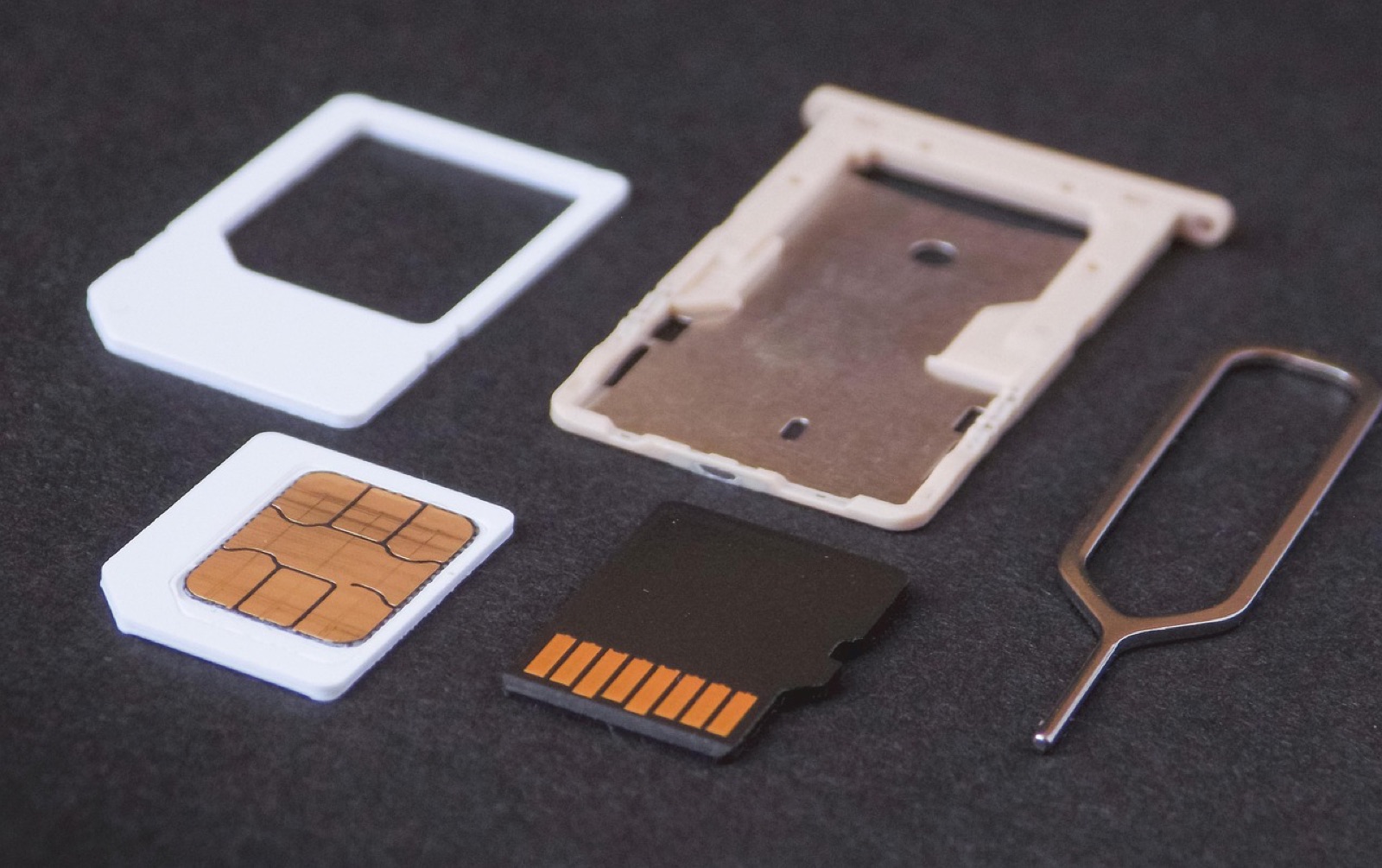
For banks that insist on SMS, keep your U.S. number alive on a cheap plan and put a travel eSIM next to it for data. A data-only eSIM such as Saily states that "your primary line stays active for calls and texts," so your U.S. line can keep receiving codes while the eSIM handles browsing. Our banking app troubleshooting guide walks through the phone settings.
Where does FATCA fit in?
FATCA mostly affects your foreign accounts, not your U.S. ones, but it's the reason your U.S. accounts matter so much. The law requires foreign financial institutions to report on assets held by their U.S. account holders "or be subject to withholding on withholdable payments" (IRS). Some foreign banks decided Americans weren't worth the paperwork.
The GAO found that foreign institutions "closed some U.S. persons' existing accounts or denied them opportunities to open new accounts after FATCA was enacted," and that renunciation approvals rose from 1,601 to 4,449 between 2011 and 2016, "attributable in part" to those difficulties (GAO-19-180).
So Americans abroad can get squeezed from both sides. AARO, American Citizens Abroad and FAWCO jointly wrote that "Overseas Americans are being denied financial services worldwide by both US and foreign banks" and called for legislation requiring U.S. banks to serve citizens with a foreign address (Overseas Americans Week 2019 positions). Until that happens, plan as if your U.S. bank and your local bank could each say no.
What if you just stop using the account?
An unused account can eventually be turned over to the state as unclaimed property. NAUPA defines unclaimed property as accounts with no activity or owner contact "for one year or a longer period," with the exact dormancy period set by state law (NAUPA). You can usually reclaim the money, but doing that from abroad is slow. A small recurring transfer and an annual login keep the account visibly alive.
How do you keep your U.S. accounts working after you move?
Do the work while you still have a U.S. address, phone and branch nearby. Here's the order that prevents most lockouts:
- Ask each bank and brokerage about its non-resident policy. Get the answer in writing (secure message or email) before you update your address.
- Consolidate into an expat-tolerant institution. Keep at least two working U.S. accounts at different banks so one closure doesn't strand you.
- Move 2FA off SMS where possible. Enroll app push, an authenticator or a security key, then remove SMS where the bank allows it (CISA).
- Keep your U.S. number active anyway for banks that only text, and turn on Wi-Fi calling.
- Store backup codes and international phone numbers in a password manager, not in your email.
- Test logins from abroad early, with and without a VPN, while you can still fix things by phone. Install the VPN on every device you bank on.
- Set up a trusted contact. The State Department advises you to "designate a family member who could access your accounts if needed," which usually means a notarized power of attorney (State Department).
- Keep the account active with a small recurring transfer so it never goes dormant.
If you can, keep your VPN on a paid plan rather than a free one, since free services tend to share crowded IP addresses. Our best VPN rankings and VPN free trials guide can help you test options without committing. Moving to Mexico specifically? Read our Mexico banking setup guide.

What should you do if you're already locked out?
Call the bank's international or toll-free line, confirm your identity, and ask precisely what is blocked: login, transfers or the whole account. If the account is being closed, ask how the balance will be paid out (check, wire or transfer to another account you hold) and get the closure reason in writing.
If you think the closure was improper, HelpWithMyBank.gov advises filing a written complaint with your bank's regulator, such as the OCC's Customer Assistance Group for national banks (HelpWithMyBank.gov). You can also file with the CFPB, which says it sends more than 100,000 complaints a week to companies and that most respond within 15 days (CFPB).
Frequently asked questions
Is it illegal for a U.S. bank to close my account because I live abroad?
Generally no. Banks can close accounts for business reasons, sometimes without prior notice, and each bank sets its own policy on foreign addresses. If you think a closure was improper, file a written complaint with the bank's regulator or the CFPB.
Should I use a relative's U.S. address so my bank doesn't close my account?
Banks must collect a residential or business street address under federal identity rules, so listing an address where you don't live can misstate your residence. Ask the bank what it allows for customers abroad, and favor institutions that openly accept foreign addresses.
Can I use Google Voice for bank verification codes abroad?
Sometimes, but not reliably. Some banks and services reject VoIP numbers for one-time codes. App-based verification or keeping a real U.S. mobile line active is more dependable.
Will a VPN stop my bank from flagging foreign logins?
It can, but it isn't guaranteed. A home-country server can make logins look familiar, yet some banks block IP ranges they associate with VPNs. Test your bank with and without the VPN before you leave.
Does FATCA close U.S. bank accounts?
FATCA mainly applies to foreign financial institutions, which must report on U.S. account holders. Its biggest effect is that some foreign banks refuse Americans, which makes your U.S. accounts more important to protect.
Sources
- 31 CFR § 1020.220 - Customer identification program requirements for banks — Cornell Law School Legal Information Institute
- The bank closed my checking account and did not notify me. Is this legal? — HelpWithMyBank.gov (OCC)
- Expats Left Frustrated as Banks Cut Services Abroad — The Wall Street Journal (hosted by FAWCO), 2014-09-11
- Special Notice to Non-U.S. Investors — Vanguard
- Investors who reside outside the United States — Fidelity Investments
- Authentication and Access to Financial Institution Services and Systems — FFIEC (via FDIC), 2021-08-11
- Mobile Communications Best Practice Guidance — CISA, 2024-12
- Advanced Access Questions — Wells Fargo
- Foreign Account Tax Compliance Act (FATCA) — Internal Revenue Service
- Foreign Asset Reporting: Actions Needed to Enhance Compliance Efforts, Eliminate Overlapping Requirements, and Mitigate Burdens on U.S. Persons Abroad (GAO-19-180) — U.S. Government Accountability Office, 2019-04-01
- Overseas Americans Week 2019: Overview of Positions — AARO, ACA and FAWCO, 2019
- FAQs for the State Department Federal Credit Union — AARO
- What is unclaimed property? — National Association of Unclaimed Property Administrators
- Money and Banks — U.S. Department of State, Exchange Programs
- Submit a complaint about a financial product or service — Consumer Financial Protection Bureau
- Why can't I access my bank or other financial web services when connected to the VPN? — Windscribe
- US credit card: Citibank closed my account without warning because I left the US — Reddit r/expats, 2022-05-17
- Has anyone had a US bank account closed or rejected because of their address after moving abroad? — Reddit r/expats, 2026-03-23
- Expats: two step authentication — Expat.com forum
Quotes from social posts are reproduced verbatim from public posts and linked to the original. Read our editorial standards.
From Rotation
Every story, one email, 8am daily.
Subscribe at the bottom of this page.
More travel guides
- 180,000 Americans Left the U.S. Last Year. Here's the Tech Setup Every New Expat Needs
- Why Your Banking App Stops Working Abroad (and the 2-Minute Fix)
- Airport Wi-Fi, Hotel Wi-Fi, Fake QR Codes: The 2026 Business Traveler's Security Guide
- Working From Bali, Lisbon or Medellín? The 5-Minute Security Checklist for Coworking Wi-Fi