Consumer guide
How to Get Out of a Timeshare in 2026: Best Exit Options, Lawyers and Reputable Exit Companies
Rising fees, low resale prices and resorts that won't take it back. Here's the best way to cancel a timeshare, when a lawyer helps, and how to spot a reputable exit company.
Reviewed by Samuel Earnest, Finance PhD @ MIT· Updated October 3, 2026
The short answer for Ohio timeshare owners
- ✓Bought in the last few days? Cancel in writing inside your state's rescission window.
- ✓Paid off? Ask your resort about a deed-back or surrender program first.
- ✓Still paying, or the resort said no? Have your contract reviewed by a reputable exit company or attorney.
You'll start by selecting your resort on the next page. The form is on Meridian's site; NetWorthy doesn't collect your information.
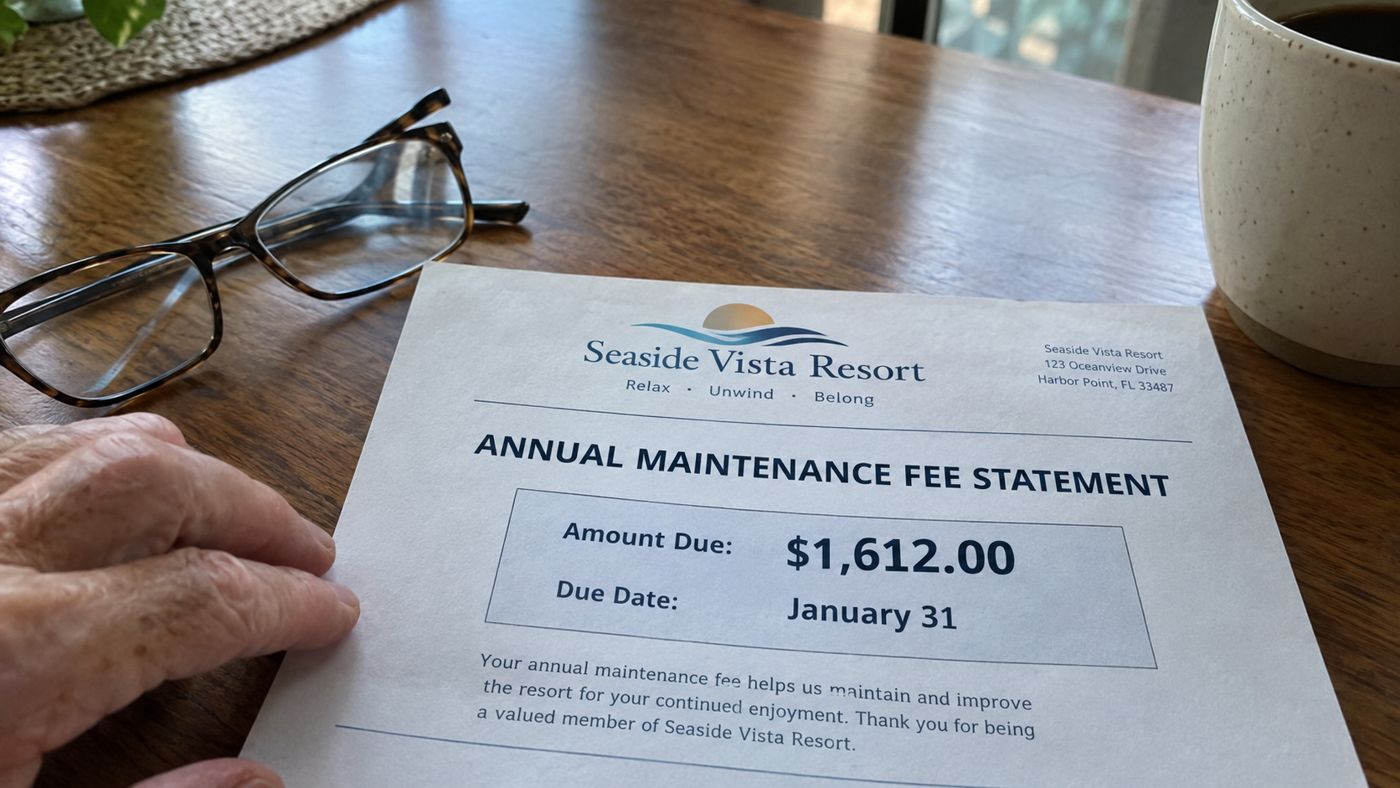
Timeshares are easy to buy and hard to leave. A new timeshare typically sells for about $23,000 to $25,000, yet used timeshares often resell for 10% or less of the original price.[5] On top of that, the average maintenance fee reached about $1,550 a year in 2025, according to the industry trade group ARDA,[2] and it rises almost every year, with special assessments for repairs on top. If you want to get rid of your timeshare, these are the realistic exit options, roughly in the order worth trying. If you already know the free options are closed to you, you can check whether your timeshare qualifies for an exit now.
1. Just bought it? You may still be able to cancel
Every state gives timeshare buyers a short window to cancel a new purchase, usually between 3 and 10 days depending on the state. The window is set by the state where the timeshare is located, not the state you live in. If you bought recently, send written notice right away by certified mail with a return receipt, following the steps in your contract, and keep copies of everything. Once the window closes, this option is gone. There's a letter template further down this page.
2. Want out for free? Ask the resort to take it back first
Many large developers will take a timeshare back if it's paid off and your fees are current. Don't expect to be paid for it: the benefit is being released from future fees. They rarely advertise these programs, so call the owner services line and ask directly. Get any agreement in writing. Resorts tend to be more open when there's a real hardship, such as a death in the family, a drop in income, health problems or simply being too old to travel, so explain your situation plainly. A first "no" isn't always final, and it's worth asking again in writing. If the resort still says no, have your contract reviewed before the next fee bill arrives.
If your cancellation window has passed and your resort said no, the free options are closed. That's when an eligibility check makes sense.
3. Hoping to sell? Here's what resale really pays
Resale is legal and sometimes works, but expect offers far below what you paid. Many units sell for very little, and some only move if the buyer's closing costs are covered. If you want to try, you can list your timeshare for sale or rent.
What you paid vs. what it resells for
What owners typically pay new~$24,000What resale often brings$2,400 or lessNew timeshares typically sell for about $23,000 to $25,000 (ARDA); used ones often resell for 10% or less of the original price (Consumer Reports, citing the Timeshare Users Group). 4. Can't sell it? Rent your weeks to soften the fees
If you can't sell, renting your weeks can offset maintenance fees while you work on a permanent exit. Check your resort's rules first: many limit or restrict rentals. Results depend heavily on the resort's location and season.
5. Tempted to just stop paying? Don't
Walking away from payments can lead to collections, damage to your credit and, in some cases, foreclosure on a deeded timeshare. Because timeshares resell for so little, the developer can also pursue you for the remaining balance. It doesn't end the obligation on its own. The same goes for handing it to a family member or trying to donate it: the fees go with the timeshare, and most charities won't take one.
6. Stuck with a timeshare nobody will take back? Get your contract reviewed

If the resort won't take it back and nobody will buy it, exit companies review your contract and how it was sold, then work with the developer on your behalf to try to cancel it. It's especially worth it if you upgraded over the years and now hold more than one contract, since each one has to be dealt with. Have someone look at your paperwork before you keep paying.
7. Protect yourself from exit scams
Regulators actively go after bad actors here: in 2022 the FTC and Wisconsin's attorney general sued an exit operation that took more than $90 million, mostly from older adults,[3] and in 2025 Minnesota's attorney general settled with three exit companies over upfront fees.[4] Be wary of anyone who guarantees a result, asks for large upfront fees before doing any work, or tells you to stop paying your loan. The FTC lists warning signs at consumer.ftc.gov.[1] Read any agreement before you sign it, and work with an established exit company that puts its costs in writing.
Timeshare exit options compared
| Option | Cost | Speed | Credit impact | Best for |
|---|---|---|---|---|
| Rescission | Free | Days | None | Bought in the last few days |
| Resort deed-back | Usually free; fees must be current | Weeks to months | None | Paid-off timeshares at large resorts |
| Resale | Low or no sale price, plus closing costs | Months, if it sells | None | Popular resorts and weeks |
| Renting your weeks | Offsets fees; doesn't end the contract | Ongoing | None | Owners in high-demand locations |
| Stop paying | Free now, costly later | Not an exit | Collections, credit damage, possible foreclosure | Not recommended |
| Exit company or attorney | Paid service; get the total in writing | Varies by case | Ask before you sign | Still paying, or the resort refused |
Your maintenance fee over 10 years
Timeshare cost calculator
What will keeping it cost you?
You’d pay about
$19,496
in maintenance fees alone, before special assessments or loan payments.
Check if your timeshare qualifies →Frequently asked questions
- What is the best way to get out of a timeshare?
- Start with the free options. If you bought recently, cancel in writing within your state's rescission period. If that has passed, ask the resort about a deed-back or surrender program. If the resort says no and resale isn't realistic, have your contract reviewed by a reputable exit company or an attorney.
- Can I cancel a timeshare after the rescission period?
- Sometimes. Owners exit after the rescission window through resort surrender programs, negotiated releases, transfers, or claims based on how the timeshare was sold. Results depend on your contract and your developer, which is why a contract review is the first step.
- Do I need a lawyer to cancel my timeshare?
- Not for every exit. A lawyer is most useful when the developer won't cooperate or the sale involved misrepresentation. Many exit companies work with attorneys on your behalf.
- Are timeshare exit companies legit?
- Some are and some aren't. The FTC warns about exit and resale scams. Check BBB complaints, insist on a written agreement with the full cost, and avoid anyone who guarantees results or tells you to stop paying. Reputable firms will review your timeshare before asking you to commit.
- How much does it cost to get out of a timeshare?
- It depends on the route. Rescission and many resort take-back programs cost little or nothing beyond being current on your fees. Published estimates commonly put timeshare exit company fees at roughly $3,000 to $8,000, with complex cases costing more. Always get the total cost in writing before you pay, and get your contract reviewed to see which route fits your situation.
- How long does a timeshare exit take?
- A rescission takes days. Resort take-backs and exit cases commonly take anywhere from a few weeks to around 18 months, depending on your contract, your loan and how responsive the developer is.
- How much does a timeshare lawyer cost?
- Timeshare attorneys are commonly quoted at around $250 to $350 an hour, and some offer flat fees. Ask how they bill and what's included before you sign, and check whether they specialize in timeshare cases.
- What happens if I just stop paying my timeshare?
- Missed payments can go to collections, damage your credit and, for deeded timeshares, lead to foreclosure. The developer can also pursue you for any remaining balance. Stopping payment doesn't end the contract on its own.

Start with the free options: the rescission window and the resort's own surrender program. If those are closed to you, get your contract reviewed before another year of fees comes due.
You'll start by selecting your resort on the next page. The form is on Meridian's site; NetWorthy doesn't collect your information.
Every year you keep it costs about $1,550 in maintenance fees (ARDA's 2025 average), and fees rise almost every year.
- Is it free? Meridian says its eligibility check is free.
- Do I have to commit? Meridian says there's no obligation.
- Who will contact me? Meridian, about your eligibility.
Sound familiar? Tap yours
My maintenance fee bill just came
That bill comes back every year, and it usually goes up. If you don't use the timeshare anymore, check whether it qualifies for an exit before you pay another year.
Check if your timeshare qualifies →I got a special assessment
Special assessments land on top of your regular fees, often for repairs or reserves. If you're done paying surprise charges, see whether your timeshare qualifies for an exit.
Check if your timeshare qualifies →We can't travel like we used to
Retirement, health and mobility changes are some of the most common reasons owners want out. If the resort won't take it back, an eligibility check is the next step.
Check if your timeshare qualifies →I inherited a timeshare
Heirs can often decline an inheritance before accepting it, so talk to the estate's attorney early. If it's already in your name, check whether it qualifies for an exit.
Check if your timeshare qualifies →I'm still paying a loan on it
Most resort take-back programs require the loan to be paid off first, so this is where outside help matters most. See whether your timeshare qualifies.
Check if your timeshare qualifies →How we put this guide together
This guide was reviewed by Samuel Earnest (Finance PhD @ MIT, per his LinkedIn profile). We built it from consumer guidance published by the Federal Trade Commission, fee data from the American Resort Development Association, and standard timeshare contract terms. Exit companies are evaluated on transparency: written agreements, disclosed costs, attorney involvement and complaint history. NetWorthy may earn a commission from partners featured on this page.
Sources
- FTC: Timeshares, Vacation Clubs, and Related Scams
- ARDA: State of the Vacation Timeshare Industry, 2026 Edition
- FTC: Action against timeshare exit scammers ($90 million), 2022
- Minnesota Attorney General: Timeshare exit settlements and consumer alert, 2025
- Consumer Reports: Trouble in Timeshare Paradise
- RedWeek: Do timeshare owners ever win lawsuits against developers?