Money·Nov 14, 2026
Buffett's Index Fund Beat Five Hedge Funds By 38 Percentage Points Over A Decade
The decade-long wager is a reminder that the fees buried inside a retirement account can matter as much as the investments inside it.
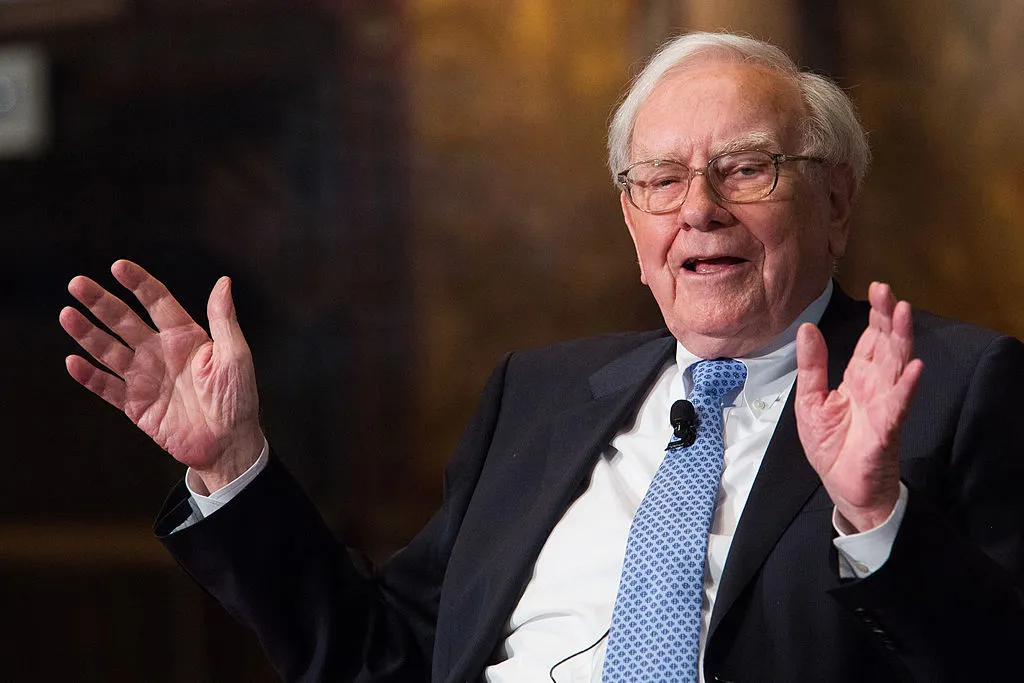
In 2008, Warren Buffett bet a group of hedge fund managers that a plain S&P 500 index fund would outperform their picks over the next ten years. According to Money.com, he won decisively: his index fund gained 125.8% over the decade, while the best-performing of the five hedge funds Protégé Partners selected returned just 87.7%.
Why it matters.
Buffett laid out the full breakdown in his 2017 shareholder letter, after the bet concluded. The S&P 500 delivered an average annual gain of 8.5% over the ten years, while the five hedge funds posted average annual gains ranging from just 0.3% to 6.5%. None of them came close to matching the index, despite charging investors far more to manage the money. That gap mirrors a pattern that shows up well beyond this one wager: fund-performance research tracking long stretches of the market has repeatedly found that most actively managed funds fail to beat their benchmark index once fees are factored in, largely because high costs compound against an investor year after year.
The bigger picture.
That lesson applies directly to the fund choices sitting inside an everyday 401(k) or IRA. Every mutual fund or exchange-traded fund lists an expense ratio, the percentage of a balance taken each year to cover management costs, and that fee is charged whether or not the fund beats the market. Low-cost index fund providers like Vanguard and Fidelity now offer some funds with expense ratios below 0.1%, while many actively managed funds still charge 1% or more. The difference sounds small written as a percentage, but it isn't small in dollars: a 1% fee on a $100,000 balance costs an investor $1,000 a year, while a 0.1% fee on the same balance costs just $100.
That gap compounds the same way returns do. A $100,000 balance earning a 7% annual return before fees would grow to roughly $739,000 over 30 years after a 0.1% fee, but only to about $574,000 over the same period after a 1% fee — a difference of more than $160,000 on a single account, without the saver doing anything differently except picking a more expensive fund.
From NetWorthy
Every story, one email, 8am daily.
Subscribe at the bottom of this page.
More Money.
- 01Former Wall Street Trader Now Earns $5,000 a Month Renting Out Her Closet
- 02The Unpaid Job Nobody Budgets For: Eldercare and the Daughters Who Absorb It
- 03Free Coffee, Real Marketing: A San Francisco Roaster Tries Pay-What-You-Want
- 04Oil and Gas Drilling Deductions: What the Year-End Tax Pitch Does and Doesn't Promise